Dutch Driver’s License: Everything You Need to Know in 2025
Wiki Article
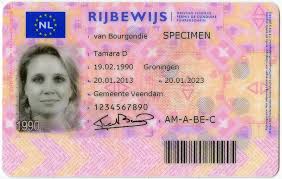
If you are planning to live, work, or study in the Netherlands, obtaining a Dutch driver’s license is an important step toward independence and mobility. Whether you already have a foreign license or are applying for the first time, understanding the process, requirements, and benefits will save you time and money. This comprehensive guide explains everything about getting, converting, and renewing a driver’s license in the Netherlands.
1. What Is a Dutch Driver’s License?
A Dutch driver’s license (Rijbewijs) is an official document issued by the RDW (Rijksdienst voor het Wegverkeer), the Dutch Vehicle Authority. It legally permits you to drive vehicles within the Netherlands and across the European Union (EU). Dutch licenses are recognized throughout the EU, which means holders can drive freely in other EU and EEA countries without additional permits.
2. Who Needs a Dutch Driver’s License?
You need a Dutch driver’s license if:
-
You are a resident of the Netherlands and want to drive a car, motorcycle, or other motor vehicle.
-
You hold a foreign driver’s license that cannot be used permanently in the Netherlands.
-
You are an expat or international student staying long-term in the country.
Visitors or tourists can drive using an international copyright (IDP) alongside their foreign license, but only for a limited period.
3. How to Apply for a Dutch Driver’s License
The process of getting a Dutch driver’s license depends on whether you are a first-time driver or converting an existing foreign license.
Step 1: Register with Your Local Municipality
You must first be officially registered as a resident in a Dutch municipality (gemeente) and possess a BSN number (Citizen Service Number).
Step 2: Take a Theory Exam
Before your driving lessons, you must pass the CBR theory test, which covers Dutch traffic laws, road signs, and hazard awareness.
Step 3: Enroll in Driving Lessons
Choose a certified driving school (rijschool) to take practical lessons. The duration of lessons depends on your driving experience and skill level.
Step 4: Pass the Practical Test
Once your instructor confirms your readiness, you will take the CBR practical driving test, which assesses your ability to drive safely and confidently under real traffic conditions.
Step 5: Apply for the License
After passing both tests, apply for your Dutch driver’s license at your municipality. You must bring a valid ID, your CBR certificate, and a copyright photo.
4. Converting a Foreign Driver’s License
If you already have a foreign license, you might not need to start from scratch. The Netherlands allows exchange of foreign licenses under certain conditions.
Eligibility for Exchange
You can exchange your license for a Dutch one if:
-
Your license is from an EU/EEA country.
-
You work for a company that qualifies under the 30% ruling for highly skilled migrants.
-
Your license is from a country with a reciprocal agreement (such as the UK, Japan, South Korea, or Switzerland).
Documents Required
-
Original foreign driver’s license
-
Residency permit or BSN
-
Recent copyright photo
-
Health certificate (if applicable)
The local municipality will forward your application to the RDW for verification. Once approved, you’ll receive your new Dutch driver’s license within two to three weeks.
5. Validity and Renewal of a Dutch Driver’s License
A standard Dutch driver’s license is valid for 10 years. However, for drivers aged 75 or older, the license must be renewed every five years with a mandatory medical examination. Renewal can be done at your local municipality, and the RDW handles the printing and delivery.
6. Driving in the Netherlands as an Expat
Driving in the Netherlands can be both enjoyable and challenging. Roads are well-maintained and clearly marked, but cyclists and public transport have priority in many areas. Always remember:
-
Drive on the right-hand side.
-
Use seat belts at all times.
-
Follow strict speed limits.
-
Avoid using mobile phones while driving unless hands-free.
The Netherlands also has extensive speed camera systems, so following traffic laws is essential to avoid fines or license suspension.
7. Benefits of Having a Dutch Driver’s License
-
Recognized across the European Union
-
No need for translation or international permits within the EU
-
Easier access to car rentals and insurance
-
Valuable identification document in the Netherlands
-
Increases convenience for commuting and travel
8. Common Questions About the Dutch Driver’s License
Q: Can I use my foreign license in the Netherlands?
Yes, but only for a limited period depending on your nationality and visa type. After that, you must exchange it for a Dutch license.
Q: How long does it take to get a Dutch driver’s license?
It typically takes 2 to 6 months, depending on your lessons, test availability, and documentation process.
Q: How much does it cost?
Expect to pay between €2,000 and €2,500 in total, including lessons, exams, and administrative fees.
Conclusion
Owning a Dutch driver’s license provides freedom, mobility, and recognition across the EU. Whether you are exchanging your foreign license or starting from scratch, understanding the process and preparing well can make your experience smooth and hassle-free. With proper training and awareness of Dutch road laws, you can enjoy driving confidently throughout the Netherlands.
Report this wiki page